I may earn a commission at no extra cost to you. #ad
The Science of Focus: A Free Guide to Understanding and Reversing Cognitive Fatigue
Jump to Section
- The Biology of Focus: How Your Brain Concentrates
- Understanding Cognitive Fatigue: Beyond Just Being Tired
- The Dopamine Loop and Digital Overstimulation
- Mastering Ultradian Rhythms for Peak Stamina
- Science-Backed Strategies to Reverse Mental Fatigue
- Nutritional Support for Sustained Attention
- Frequently Asked Questions
In an era of endless notifications, "always-on" work cultures, and the constant lure of the infinite scroll, our ability to focus has become our most valuable—and most endangered—resource. We often blame a lack of willpower when we can't concentrate, but the reality is much more biological. Focus isn't just a choice; it is the result of a complex interplay between neurochemistry, metabolic energy, and environmental stimuli.
The Biology of Focus: How Your Brain Concentrates
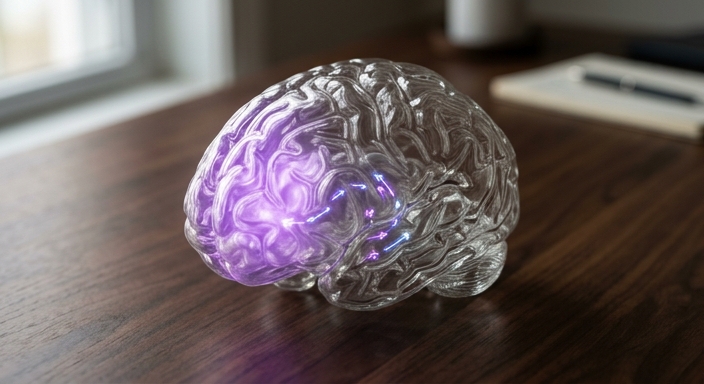
At the center of your ability to concentrate is the Prefrontal Cortex (PFC). This is the brain's executive suite, responsible for planning, decision-making, and moderating social behavior. When you focus, your PFC is working overtime to suppress distractions and keep your goal top-of-mind.
This process is fueled primarily by two neurotransmitters: Dopamine and Norepinephrine. Dopamine provides the "drive" or motivation to stay on task by signaling the potential for reward, while Norepinephrine increases alertness and arousal. When these chemicals are in balance, you enter a state of high-level performance. However, the PFC is incredibly energy-intensive. It consumes glucose and oxygen at a higher rate than almost any other part of the brain, making it the first system to "glitch" when you are tired or stressed.
Understanding Cognitive Fatigue: Beyond Just Being Tired
Cognitive fatigue is not the same as feeling sleepy. You can be wide awake but still unable to process a single paragraph of text. This phenomenon, sometimes called "mental depletion," occurs when the brain's executive functions have been exhausted by sustained effort. Scientific research suggests that as the brain works, metabolic byproducts—specifically Glutamate—build up in the lateral prefrontal cortex. An accumulation of glutamate makes further mental effort "costly," triggering a subconscious desire to switch to easier, more rewarding tasks.
The Dopamine Loop and Digital Overstimulation
The modern digital environment is designed to hijack our focus. Every time you check a notification, your brain receives a micro-dose of dopamine. This creates a "dopamine loop," where your brain becomes conditioned to seek short-term hits rather than the long-term satisfaction of completing a difficult project. This constant context switching (moving from a spreadsheet to an email to a text) induces a state of "continuous partial attention," which rapidly drains your cognitive reserves and leads to premature fatigue.
Mastering Ultradian Rhythms for Peak Stamina
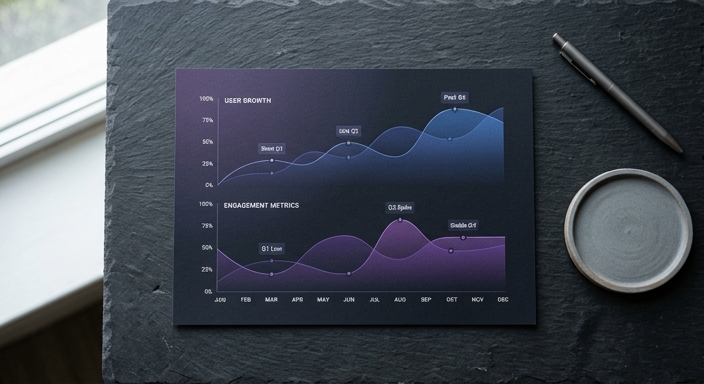
While most people are familiar with Circadian rhythms (the 24-hour sleep/wake cycle), fewer understand Ultradian rhythms. These are shorter cycles of roughly 90 to 120 minutes that occur throughout the day. During the first part of the cycle, your brain is primed for high-frequency activity and focus. Toward the end of the 90 minutes, your brain enters a "trough" where it needs to rest and recover.
Ignoring these troughs and pushing through with caffeine or sheer willpower leads to cognitive fatigue. By working in 90-minute "sprints" followed by 15-minute "active recovery" periods (walking, stretching, or staring out a window—not looking at a phone), you can maintain focus across the entire day without crashing.
Science-Backed Strategies to Reverse Mental Fatigue
If you are already in the depths of brain fog, you can't simply think your way out of it. You must change your physiological state. Here are the most effective interventions:
- Non-Sleep Deep Rest (NSDR): Techniques like Yoga Nidra or guided breathing can lower your heart rate and refresh the PFC in as little as 10 minutes.
- The "Green" Effect: Research shows that looking at nature (even a plant or a photo) for 40 seconds triggers "Attention Restoration Theory," significantly boosting focus scores.
- Hydration and Electrolytes: The brain is approximately 75% water. A mere 2% drop in hydration can cause immediate cognitive decline and headaches.
- Cold Exposure: A 30-second cold shower or splashing ice water on your face triggers a massive release of norepinephrine, instantly clearing mental cobwebs.
Nutritional Support for Sustained Attention
To keep the engine running, you need the right fuel. Brain health is closely linked to blood sugar stability. Spikes and crashes in glucose lead to "brain fog." Focus on:
- Complex Carbohydrates: Oats, blueberries, and leafy greens for steady energy.
- Omega-3 Fatty Acids: Found in fish oil and walnuts, these are essential for maintaining the integrity of neuronal membranes.
- Magnesium: Helps regulate neurotransmitters and reduces the cortisol response that can lead to burnout.
Frequently Asked Questions
Cognitive fatigue is a decline in cognitive resources caused by prolonged periods of demanding mental activity. It results in decreased executive function, slower reaction times, and reduced ability to focus.
Short-term recovery can happen within 15-20 minutes of active rest, but deep recovery from chronic cognitive fatigue usually requires 7-9 hours of quality sleep and structured downtime over several days.
Yes, a diet rich in omega-3 fatty acids, antioxidants, and low-glycemic carbohydrates helps maintain steady glucose levels for the brain, preventing the 'crashes' that lead to mental exhaustion.