Fuel Your Mind: A Free Guide to the Best Anti-Inflammatory Foods for Focus
Jump to Section
In the modern world, brain fog and a lack of concentration are often treated with more caffeine or stimulant-based solutions. However, emerging science suggests that the root cause of many cognitive struggles is neuroinflammation. When your brain is "on fire" due to systemic inflammation, your neurons can't communicate efficiently, leading to distraction and mental fatigue.
Understanding Neuroinflammation and Focus
Systemic inflammation doesn't just stay in your body; it crosses the blood-brain barrier. When pro-inflammatory cytokines enter the brain, they can interfere with neurotransmitters like dopamine and serotonin—the chemicals responsible for motivation and mood. By adopting an anti-inflammatory diet, you are essentially cooling down the neural environment, allowing for faster processing speeds and sustained attention spans.
The Power of Omega-3 Fatty Acids
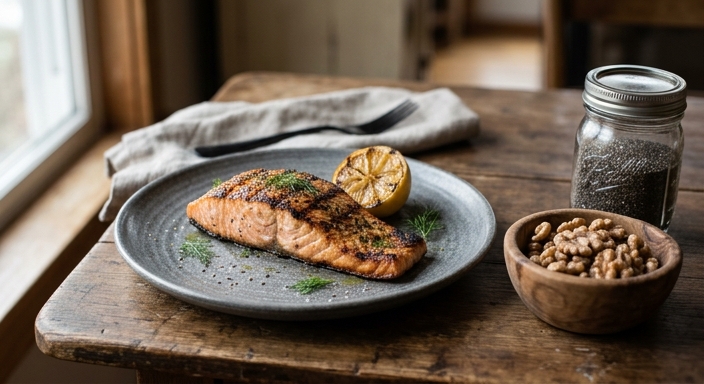
The human brain is roughly 60% fat, and a significant portion of that is DHA (docosahexaenoic acid). Omega-3 fatty acids are the building blocks of cell membranes and are potent anti-inflammatories. Research consistently shows that higher intake of Omega-3s is linked to better executive function and memory.
- Wild-Caught Salmon: Rich in DHA and EPA.
- Sardines and Mackerel: Excellent low-mercury options.
- Walnuts: The top plant-based source of alpha-linolenic acid (ALA).
- Chia Seeds: Packed with fiber and brain-healthy fats.
Antioxidant-Rich Berries for Mental Clarity
Berries are nature's "brain candy." They are loaded with flavonoids, specifically anthocyanins, which give them their deep colors. These compounds have been shown to accumulate in brain areas that handle learning and memory. By neutralizing oxidative stress, berries prevent the "rusting" of our brain cells that occurs during periods of intense mental work.
Blueberries, in particular, have been dubbed "brainberries" because studies show they can improve short-term memory and even delay age-related cognitive decline.
Leafy Greens and Crucial Micronutrients
Leafy greens like kale, spinach, and Swiss chard are packed with lutein, folate, and Vitamin K. Lutein is a carotenoid that has been directly linked to crystallized intelligence—the ability to use the knowledge and experience you have acquired. Folate helps manage homocysteine levels; high levels of homocysteine are a known risk factor for brain shrinkage and cognitive impairment.
Spices and Herbs: The Curcumin Factor
No anti-inflammatory guide is complete without mentioning Turmeric. Its active compound, curcumin, is one of the most studied natural anti-inflammatories in existence. Curcumin can cross the blood-brain barrier and has been shown to boost Brain-Derived Neurotrophic Factor (BDNF), a growth hormone for your brain that helps grow new neurons.
Pro Tip: Always consume turmeric with black pepper (piperine), which increases curcumin absorption by up to 2,000%.

The "Focus Killers": Foods to Avoid
Adding the good stuff is only half the battle. You must also remove the triggers that spark inflammation. The primary culprits include:
- Refined Sugars: Cause rapid insulin spikes that lead to "crashes" and cognitive dip.
- Trans Fats: Found in some fried foods and processed snacks; they can literally harden brain cell membranes.
- Excessive Alcohol: Directly neurotoxic and highly inflammatory.
- Refined Seed Oils: High in Omega-6, which in excess can promote inflammatory pathways.
A Day of Anti-Inflammatory Focus Fuel
Breakfast: Chia seed pudding with blueberries and a sprinkle of walnuts.
Lunch: A massive spinach and kale salad topped with grilled salmon, avocado, and olive oil dressing.
Snack: A piece of 85% dark chocolate (high in polyphenols) and a green tea.
Dinner: Turmeric-seasoned roasted chicken with broccoli and sweet potatoes.
Frequently Asked Questions
Q: Can I just take supplements instead?
A: While supplements like high-quality fish oil can help, whole foods provide a synergistic effect of vitamins, minerals, and fiber that supplements cannot fully replicate.
Q: Is coffee anti-inflammatory?
A: In moderation, yes. Coffee is rich in polyphenols. However, adding sugar and cream can negate these benefits and trigger inflammation.
Q: How long before I feel a difference?
A: Most people notice a significant reduction in brain fog within 10 to 14 days of strictly following an anti-inflammatory protocol.