Mental Clarity Now: A Free Guide to Science-Based Product Reviews for Brain Health
Jump to Section
The "brain booster" market is currently saturated with promises of overnight genius and limitless focus. However, achieving mental clarity is rarely the result of a single "magic pill." Instead, it is the result of strategic, science-backed interventions. This guide empowers you to stop being a passive consumer and start being a critical reviewer of cognitive health products.
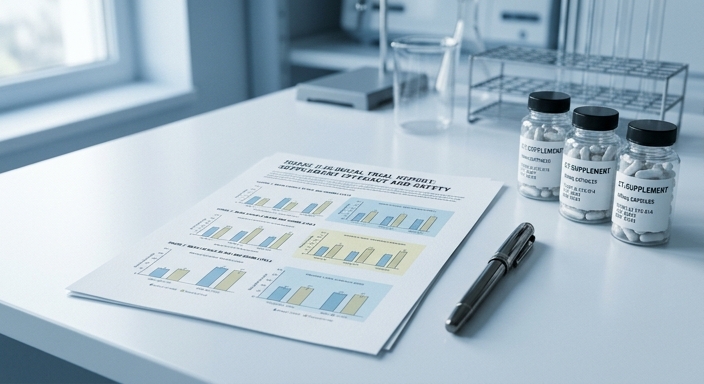
The Importance of Scientific Rigor
When reviewing any cognitive enhancer—often referred to as nootropics—the first step is looking beyond the label. Scientific rigor requires that a product’s claims are supported by peer-reviewed, double-blind, placebo-controlled human trials. Many products rely on "borrowed science," where they cite studies on individual ingredients but haven't tested their specific formulation.
A high-quality review looks for synergy. For instance, does the combination of L-Theanine and Caffeine produce the specific alpha-wave brain state promised? If a brand cannot provide evidence for their unique ratio, they are relying on generalities rather than proven results.
Evaluating Key Brain Health Ingredients
Not all ingredients are created equal. In our evaluation process, we categorize ingredients into three tiers: Proven, Promising, and Speculative. Proven ingredients like Bacopa Monnieri have decades of research supporting memory retention, while Citicoline is well-documented for its role in cellular membrane repair and focus.
When you review a product, check for the form of the ingredient. For example, is it generic "ashwagandha," or is it a standardized extract like KSM-66? Standardized extracts ensure you are getting the bioactive compounds (withanolides) necessary to actually reduce cortisol and improve mental clarity.
Sifting Through Marketing Claims
Beware of "Proprietary Blends." This is a common tactic where manufacturers list a group of ingredients without specifying the dosage of each. This allows them to include a "fairy dusting" of expensive ingredients—enough to list it on the label, but not enough to provide a cognitive benefit. A science-based review always prioritizes fully transparent labels.
Another red flag is the use of superlative language like "instant results" or "permanent IQ boost." Neurological change takes time. Most effective brain health products require a "loading phase" of 2-4 weeks to reach steady-state levels in the blood and brain tissue.
The Significance of Clinical Dosage
A product can have all the right ingredients but still fail if the dosages are sub-therapeutic. For example, most studies showing the cognitive benefits of Omega-3 fatty acids suggest at least 1,000mg of combined EPA and DHA. If a "brain health" supplement only provides 200mg, it is unlikely to provide the neuroprotective benefits you are seeking.
In our reviews, we compare the label amounts against the amounts used in the successful clinical trials cited by the researchers. If there is a significant discrepancy, the product’s efficacy is called into question.
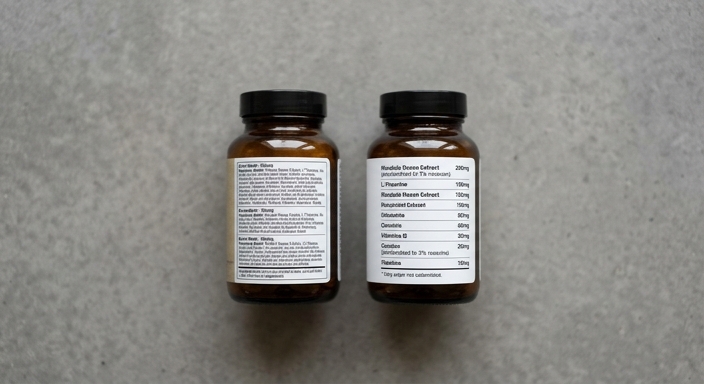
Third-Party Transparency and Safety
The supplement industry is not regulated as strictly as pharmaceuticals. Therefore, third-party testing is the gold standard for safety. Look for certifications from organizations like NSF, USP, or Informed-Sport. These certifications ensure that what is on the label is actually in the bottle and that the product is free from heavy metals and contaminants.
Furthermore, check for "Certificate of Analysis" (CoA) availability. A truly science-based company will provide these documents upon request to prove the purity and potency of their batches.
Building Your Review Protocol
Finally, the most important review is the one you conduct on yourself. Since neurochemistry is highly individual, what works for one person may not work for another. We recommend a structured "N-of-1" trial:
- Baseline: Measure your focus and mood for 5 days without the supplement.
- Introduction: Add only one new supplement at a time.
- Journaling: Track metrics like sleep quality, word recall, and afternoon energy dips.
- Adjustment: If you don't see measurable changes after 30 days, the science for that specific product likely doesn't align with your biology.
Frequently Asked Questions
Look for studies that are "double-blind" (neither the participants nor the researchers know who got the placebo) and published in reputable journals indexed in PubMed or Google Scholar.
Not necessarily. "Natural" does not mean "safe" or "effective." Both natural extracts (like Ginkgo Biloba) and synthetic compounds (like Piracetam) must be evaluated based on their specific toxicity profiles and clinical data.
Transparency. If a company hides their dosages in a proprietary blend or refuses to show third-party testing, the science-based consumer should look elsewhere.