Anti-Inflammatory Nutrition for Mental Clarity: A Free Guide to Beating Brain Fog Through Diet
Jump to Section
- The Link Between Inflammation and Brain Fog
- Top Anti-Inflammatory Foods for Mental Performance
- Foods to Avoid to Reduce Cognitive Sluggishness
- The Gut-Brain Axis: How Digestion Affects Clarity
- Essential Micro-Nutrients for Neuro-Protection
- Sample 1-Day Anti-Inflammatory Meal Plan
- Frequently Asked Questions
Do you often feel like you're moving through a mental haze? That sensation of sluggish thinking, forgetfulness, and lack of focus—commonly known as "brain fog"—is rarely a sign of a "broken" brain. Instead, it is frequently a symptom of systemic inflammation affecting your central nervous system. When your body is in a state of chronic inflammation, your brain cannot operate at peak efficiency.
This guide explores the profound connection between the foods you eat and the clarity of your thoughts. By adopting an anti-inflammatory nutritional strategy, you can dampen the "fire" in your body and unlock a level of focus you might not have felt in years.
The Link Between Inflammation and Brain Fog
Inflammation is a natural immune response designed to protect the body. However, chronic low-grade inflammation, triggered by stress, poor sleep, and inflammatory foods, can breach the blood-brain barrier. Once inflammatory markers like cytokines enter the brain, they disrupt neurotransmitter balance and slow down the speed at which neurons communicate.
When the brain's specialized immune cells—called microglia—become overactivated by inflammation, they stop performing their "clean-up" duties and instead produce oxidative stress. This results in the "cloudy" feeling that makes even simple tasks feel like a monumental effort.
Top Anti-Inflammatory Foods for Mental Performance
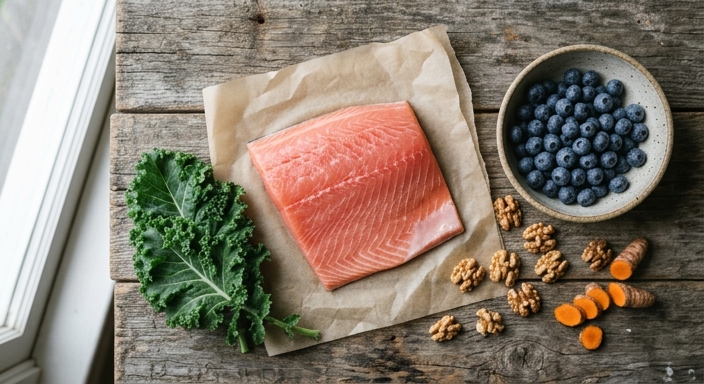
To reverse cognitive decline and sharpen focus, you must prioritize foods rich in polyphenols, omega-3 fatty acids, and antioxidants. These compounds act as "fire extinguishers" for cerebral inflammation.
- Fatty Fish: Salmon, mackerel, and sardines are loaded with EPA and DHA. These omega-3s are essential for maintaining the structural integrity of brain cell membranes.
- Berries: Blueberries and strawberries contain anthocyanins, which have been shown to improve signaling between brain cells and increase neuroplasticity.
- Leafy Greens: Spinach, kale, and Swiss chard provide Vitamin K, lutein, and folate, which help slow cognitive decline.
- Turmeric and Ginger: These roots contain curcumin and gingerols, powerful anti-inflammatory agents that can cross the blood-brain barrier.
- Extra Virgin Olive Oil: High in oleocanthal, it works similarly to anti-inflammatory medications to reduce oxidative stress in the brain.
Foods to Avoid to Reduce Cognitive Sluggishness
Just as some foods heal the brain, others act as "fog triggers." If you want to maintain mental clarity, reducing or eliminating these items is non-negotiable:
- Refined Sugars: High sugar intake leads to insulin resistance and spikes in blood glucose, which directly correlate with brain "shrinkage" over time and immediate cognitive dips.
- Ultra-Processed Seed Oils: Oils like soybean, corn, and cottonseed oil are high in Omega-6 fatty acids. While necessary in small amounts, an excess of Omega-6 relative to Omega-3 promotes systemic inflammation.
- Artificial Sweeteners: Compounds like aspartame can alter gut bacteria and have been linked by some researchers to increased irritability and brain fog.
- Refined Carbohydrates: White bread, pastries, and pasta provide quick energy but lead to a "crash" that leaves the brain starved of steady glucose.
The Gut-Brain Axis: How Digestion Affects Clarity
The gut and the brain are in constant communication via the vagus nerve. This is known as the gut-brain axis. In fact, about 90% of the body's serotonin—a key neurotransmitter for mood and focus—is produced in the gut.
When the gut lining is compromised (often called "leaky gut"), undigested food particles and toxins leak into the bloodstream, triggering an immune response that manifests as brain fog. Supporting your microbiome with fermented foods like kimchi, sauerkraut, and kefir is a secret weapon for cognitive longevity.

Essential Micro-Nutrients for Neuro-Protection
Beyond macronutrients, certain minerals and vitamins act as co-factors for cognitive function. Without these, even the best diet may fall short:
- Magnesium: Known as the "relaxation mineral," it regulates neurotransmitters and prevents the brain from being over-stimulated.
- B-Vitamins (B6, B9, B12): These help lower homocysteine levels, high amounts of which are linked to cognitive impairment and Alzheimer's.
- Zinc: Crucial for synaptic plasticity and communication between neurons.
- Vitamin D: A hormone precursor that protects neurons and reduces inflammation in the hippocampus.
Sample 1-Day Anti-Inflammatory Meal Plan
Breakfast: Chia seed pudding made with unsweetened almond milk, topped with a handful of wild blueberries and crushed walnuts.
Lunch: A large bowl of mixed baby greens with grilled wild-caught salmon, avocado slices, pumpkin seeds, and a dressing of extra virgin olive oil and lemon juice.
Afternoon Snack: A few squares of dark chocolate (at least 85% cocoa) and a cup of green tea (rich in L-theanine).
Dinner: Roasted chicken breast seasoned with turmeric and black pepper, served alongside steamed broccoli and sauteed kale with garlic.
Frequently Asked Questions
How long does it take to see results from an anti-inflammatory diet?
Most people report a noticeable "lifting" of brain fog within 7 to 14 days of consistent adherence. However, deep cellular inflammation can take 3 to 6 months to fully resolve.
Is coffee anti-inflammatory?
Yes, in moderation. Coffee is a significant source of antioxidants. However, adding sugar and processed creamers can quickly turn it into an inflammatory trigger. Drink it black or with a splash of unsweetened nut milk.
Can I ever eat gluten?
For many, gluten is highly inflammatory because it increases zonulin, a protein that regulates gut permeability. If you suffer from chronic brain fog, try a 30-day elimination to see if your clarity improves.