I may earn a commission at no extra cost to you. #ad
The Biohacker’s Handbook: A Free Guide to Beating Brain Fog Through Lifestyle
We’ve all been there: that mid-afternoon haze where words feel heavy, focus feels impossible, and your productivity grinds to a halt. Brain fog isn't a medical diagnosis; it's a symptom. It is your body’s way of signaling that your biological systems are out of sync. While many reach for another cup of coffee or a sugary snack, biohackers look deeper into the fundamental pillars of human biology to find a permanent solution.
In this guide, we will move beyond surface-level advice and dive into the lifestyle interventions that optimize your mitochondria, stabilize your blood sugar, and clear the neuroinflammatory "cobwebs" slowing you down. By the end of this handbook, you will have a blueprint for peak cognitive performance.

Optimizing Circadian Rhythms for Mental Clarity
Your brain’s ability to clear metabolic waste happens primarily during deep sleep through the glymphatic system. If your sleep-wake cycle (circadian rhythm) is fragmented, brain fog becomes an inevitability. To fix this, you must master light exposure.
- Morning Sunlight: Aim for 10-15 minutes of direct sunlight within 30 minutes of waking. This triggers a cortisol spike to wake you up and sets a timer for melatonin production later that night.
- The Blue Light Lockdown: Two hours before bed, eliminate blue light from screens. Blue light inhibits melatonin, tricking your brain into thinking it’s daytime and preventing deep, restorative sleep.
- Temperature Control: Your core body temperature needs to drop by about 2-3 degrees Fahrenheit to initiate sleep. Keep your bedroom at approximately 65°F (18°C) to ensure your brain can enter the deep stages of recovery.
Nutritional Biohacks to Fuel Your Brain
What you eat is either a source of fuel or a source of inflammation. To beat brain fog, you must move away from the "glucose roller coaster." When your blood sugar spikes and crashes, your brain experiences a "hangover" effect characterized by lethargy and confusion.
Biohackers often utilize Intermittent Fasting (IF). By extending the window between dinner and breakfast, you encourage your body to enter a state of autophagy—a cellular "spring cleaning" where damaged proteins are recycled. Furthermore, once you exhaust your glycogen stores, your liver produces ketones, which are a cleaner, more efficient fuel source for neurons than glucose.
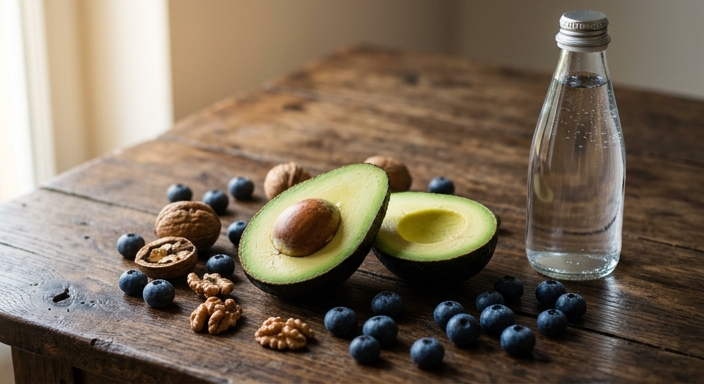
Focus on high-quality fats (Omega-3s from wild-caught fish), polyphenols (blueberries and dark chocolate), and hydrating with minerals. Simply drinking water isn't enough; your brain requires electrolytes like magnesium and potassium to maintain the electrical gradients necessary for neural firing.
Movement, Oxygenation, and Cold Exposure
Stagnation is the enemy of clarity. When you sit for hours, your blood flow decreases, and oxygen delivery to the prefrontal cortex drops. Biohacking your movement isn't just about the gym; it's about frequent "micro-doses" of activity.
Zone 2 Cardio: Engaging in low-intensity steady-state exercise (where you can still hold a conversation) increases mitochondrial density. More mitochondria mean more ATP, the energy currency of your brain cells.
Cold Thermogenesis: A 30-second cold blast at the end of your shower can increase dopamine levels by up to 250%. This surge isn't just a temporary "jolt"; it provides a sustained increase in focus and mood that can last for hours, effectively "snapping" you out of mental ruts.
Digital Hygiene and Mental Margin
We are currently living through a "crisis of attention." The constant pinging of notifications creates a state of continuous partial attention, which exhausts the brain's executive function. This cognitive "drain" is a primary driver of modern brain fog.
To reclaim your clarity, implement a Digital Detox Protocol. Designate "no-phone zones" in your home, particularly the bedroom and dining table. Use the "monotasking" technique: choose one high-leverage task and work on it for 90 minutes without switching tabs or checking messages. This allows your brain to enter "Flow State," where neurochemicals like anandamide and norepinephrine clear away the fog and heighten perception.