Free Digital Guide: 10 Evidence-Based Habits to Boost Cognitive Performance
Jump to Section
- The Science of Neuro-Optimization
- 1. Prioritize the Glymphatic System
- 2. Metabolic Switching for Mental Clarity
- 3. BDNF: Miracle-Gro for the Brain
- 4. Structural Changes Through Mindfulness
- 5. Essential Fatty Acids and Neural Integrity
- 6. Harnessing Neuroplasticity via Novelty
- 7. Social Connection and Stress Mitigation
- 8. Strategic Caffeine Consumption
- 9. Hormetic Stress and Norepinephrine
- 10. Digital Minimalism and Attentional Control
- Frequently Asked Questions
Achieving peak cognitive performance is not about "limitless" pills or overnight miracles. It is about aligning your daily habits with the biological requirements of your brain. Modern neuroscience shows that the brain is far more malleable than previously thought—a concept known as neuroplasticity. By adopting specific, evidence-based behaviors, you can enhance memory, sharpen focus, and protect against age-related cognitive decline.
1. Prioritize the Glymphatic System
During sleep, the brain’s waste-clearance system, known as the glymphatic system, becomes highly active. It flushes out metabolic waste, including beta-amyloid, a protein associated with Alzheimer’s disease. Aim for 7–9 hours of quality sleep. Research indicates that even a single night of sleep deprivation can significantly impair executive function and emotional regulation.
2. Metabolic Switching for Mental Clarity
Intermittent fasting triggers "metabolic switching," where the body moves from glucose to ketone bodies as a primary energy source. Ketones are an exceptionally efficient fuel for neurons. This switch promotes the production of brain-derived neurotrophic factor (BDNF), which supports the survival of existing neurons and encourages the growth of new ones.
3. BDNF: Miracle-Gro for the Brain
Aerobic exercise is one of the most effective ways to boost cognitive performance. Studies have shown that physical activity increases the size of the hippocampus, the brain region involved in verbal memory and learning. High-Intensity Interval Training (HIIT) is particularly effective at spiking BDNF levels, essentially acting as "fertilizer" for your brain cells.
4. Structural Changes Through Mindfulness
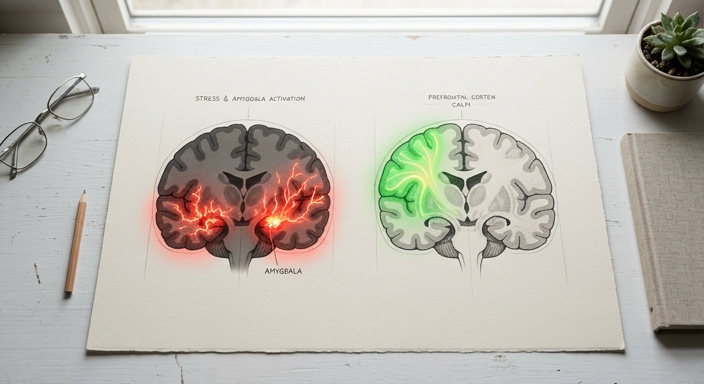
Consistent mindfulness meditation isn't just for relaxation; it leads to physical changes in brain structure. Long-term practitioners show increased gray matter density in the prefrontal cortex—the area responsible for complex planning and decision-making—and a reduction in the size of the amygdala, the brain's "fear center."
5. Essential Fatty Acids and Neural Integrity
The brain is roughly 60% fat. Omega-3 fatty acids, specifically DHA and EPA, are critical for maintaining the fluidity of cell membranes and facilitating communication between neurons. High intake of Omega-3s is linked to improved processing speeds and a lower risk of cognitive impairment. Sources include fatty fish, walnuts, and high-quality algae oil.
6. Harnessing Neuroplasticity via Novelty
The brain thrives on novelty. When you learn a new skill—be it a language, a musical instrument, or a complex sport—you force your brain to create new neural pathways. This "cognitive reserve" builds a buffer against future decline. The key is to step outside your comfort zone regularly.
8. Strategic Caffeine Consumption
Caffeine works by blocking adenosine receptors, which prevents the "sleepiness" signal from reaching the brain. To maximize its cognitive benefits without the crash, wait 90 minutes after waking to consume your first cup. This allows your body to naturally clear out residual adenosine, preventing the afternoon slump.
9. Hormetic Stress and Norepinephrine
Hormesis is the concept that small amounts of stress can make the body stronger. Cold exposure (like a 2-minute cold shower) triggers a massive release of norepinephrine. This neurotransmitter improves focus, attention, and mood. It also activates "cold-shock proteins" that have been linked to neuroprotection.
10. Digital Minimalism and Attentional Control
Constant notifications and "context switching" degrade our ability to engage in "Deep Work." By practicing digital minimalism—scheduling specific times for email and social media—you train your brain to maintain focus for extended periods. This strengthens the executive function circuits that are often weakened by the modern attention economy.
Frequently Asked Questions
How long does it take to see results from these habits?
While some benefits like the focus from cold exposure are immediate, structural brain changes (like those from meditation or exercise) typically take 8 to 12 weeks of consistent practice to manifest on imaging tests.
What is the single most important habit for brain health?
Most neuroscientists agree that sleep is the foundation. Without adequate sleep, the benefits of nutrition, exercise, and learning are severely marginalized as the brain cannot consolidate memories or repair itself.
Do brain games like crosswords actually help?
While they improve your ability to do crosswords, they don't always translate to general cognitive improvement. Novelty is more important; learning a completely new skill is more effective than repeating a familiar puzzle.